



Hyperflux — NZ-made Li-Ion FPV battery packs

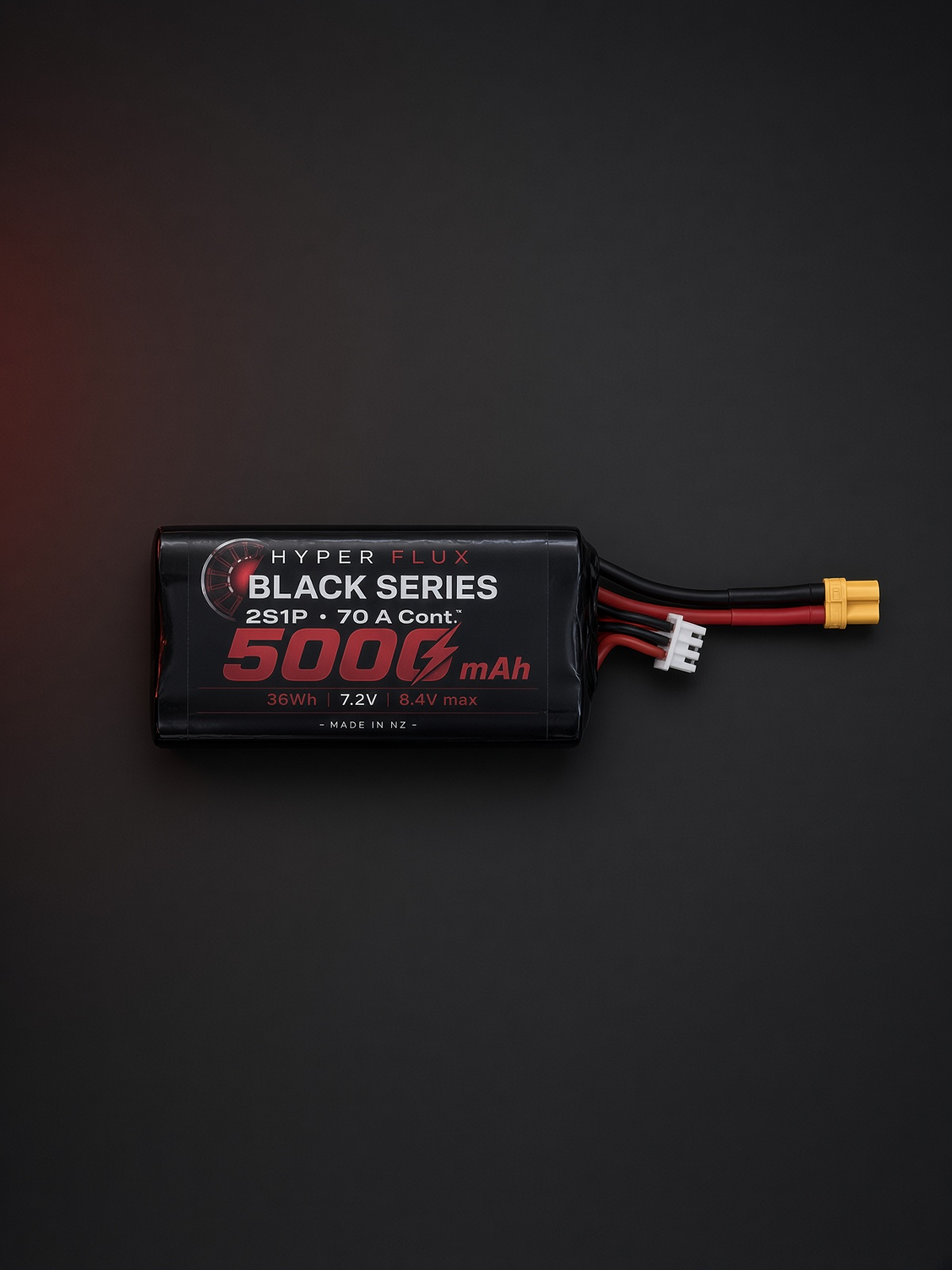
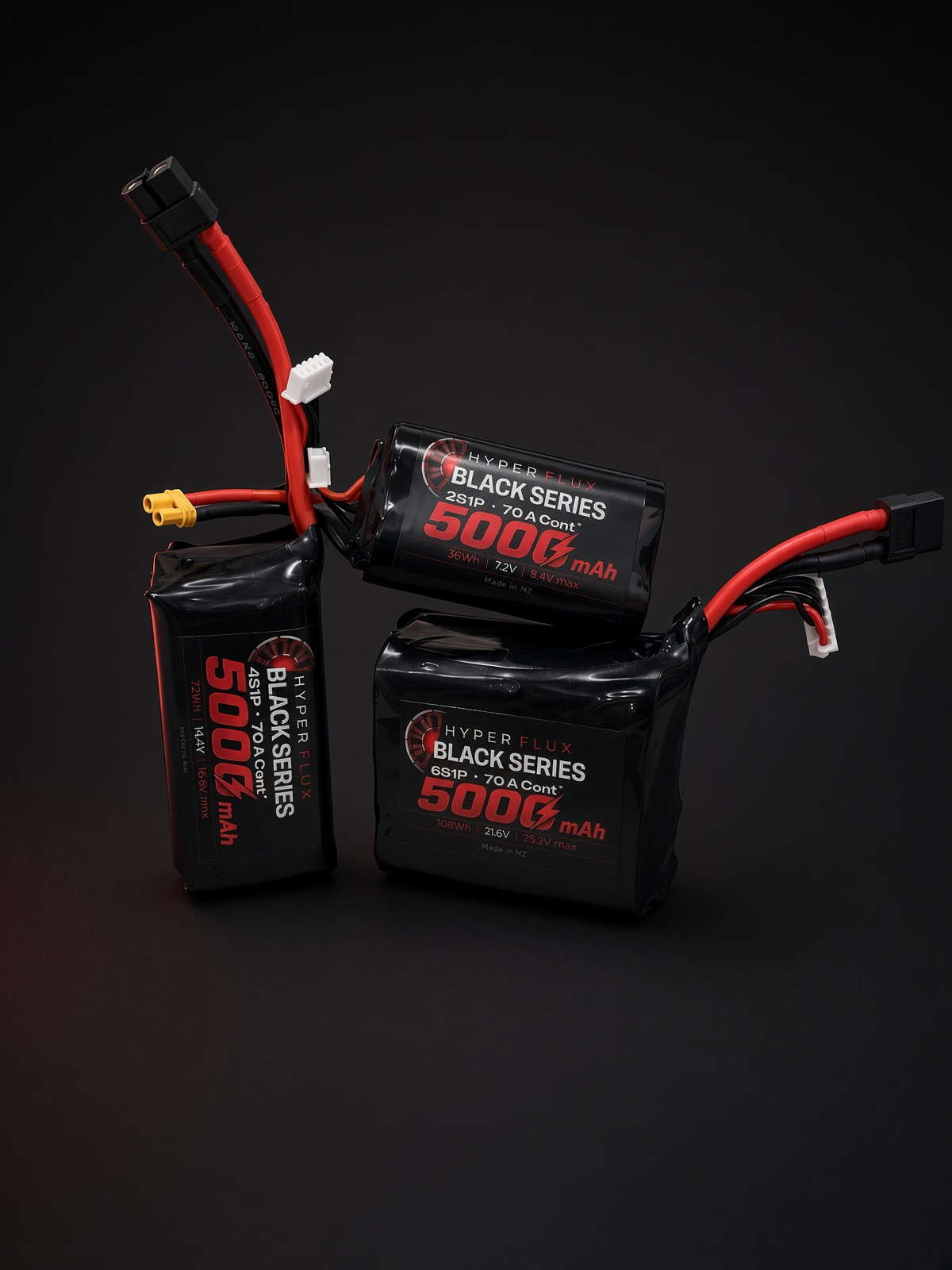
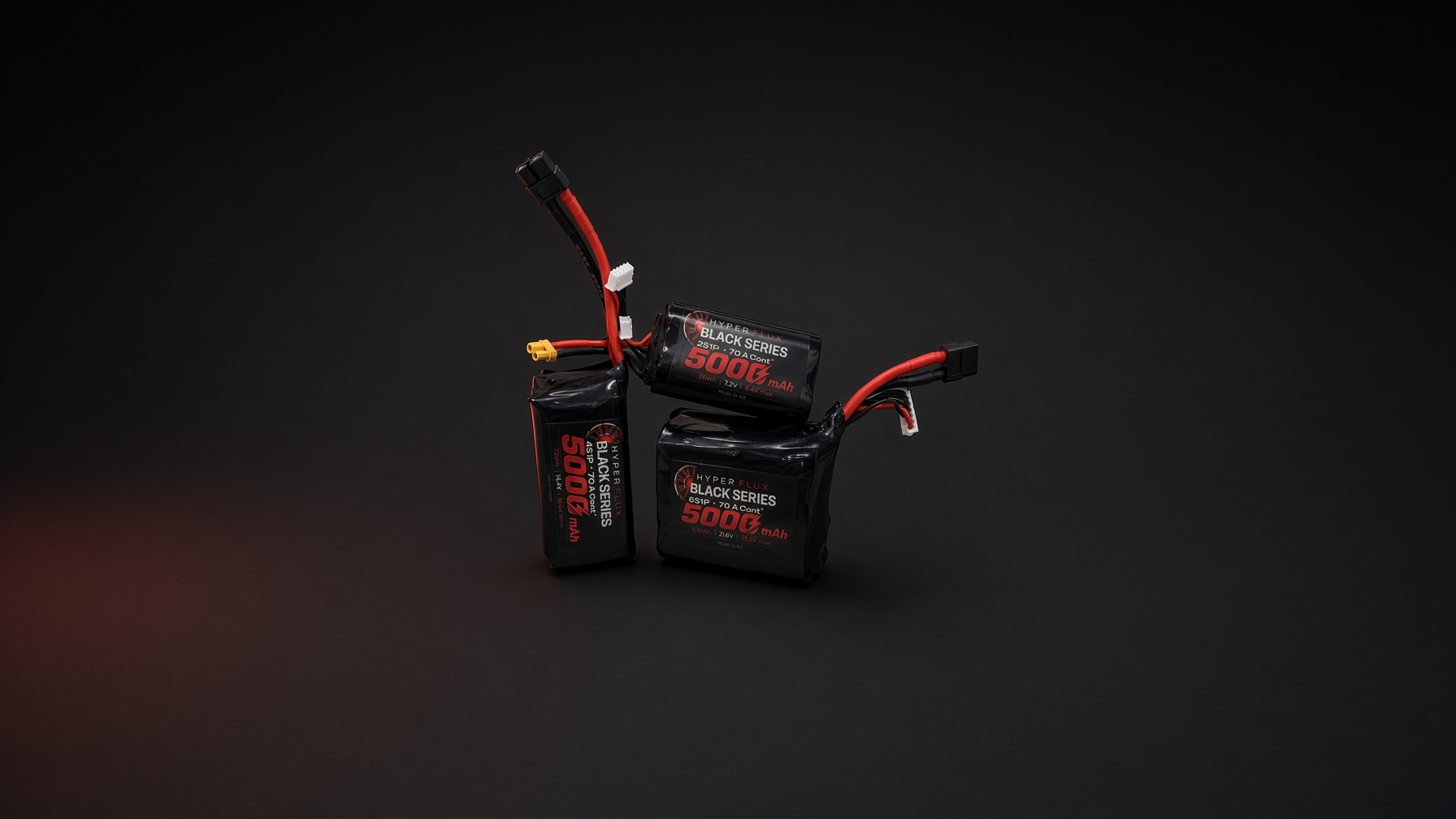
Hyperflux Black Series 2S, 4S and 6S Li-Ion packs

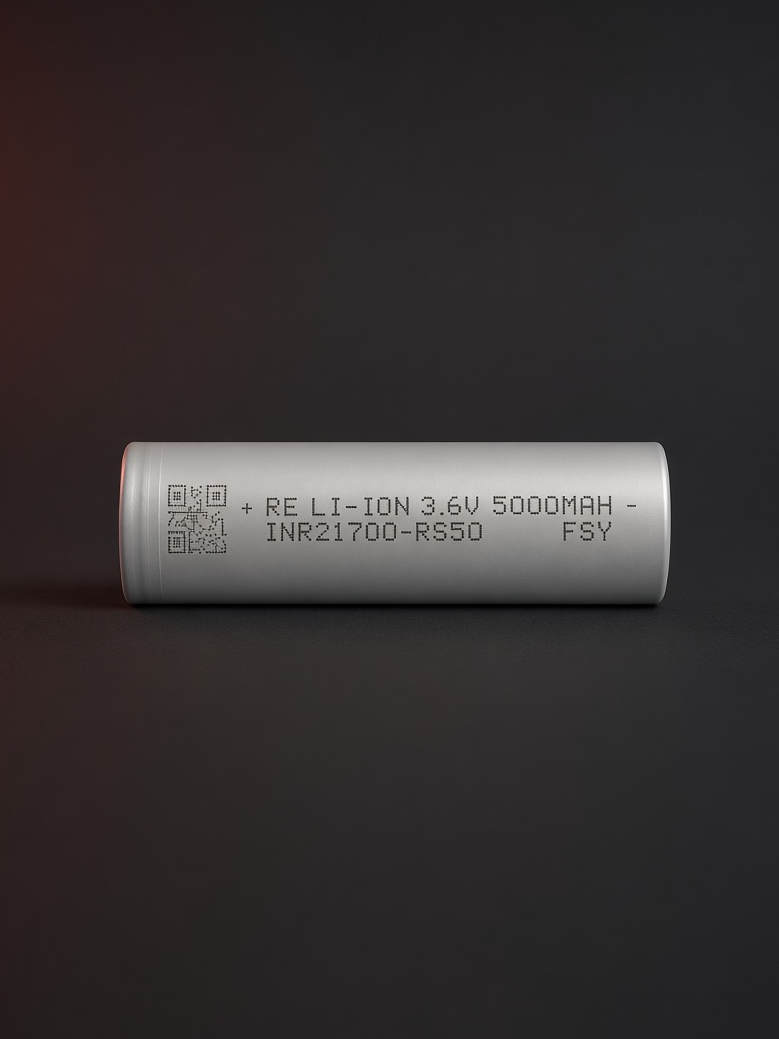
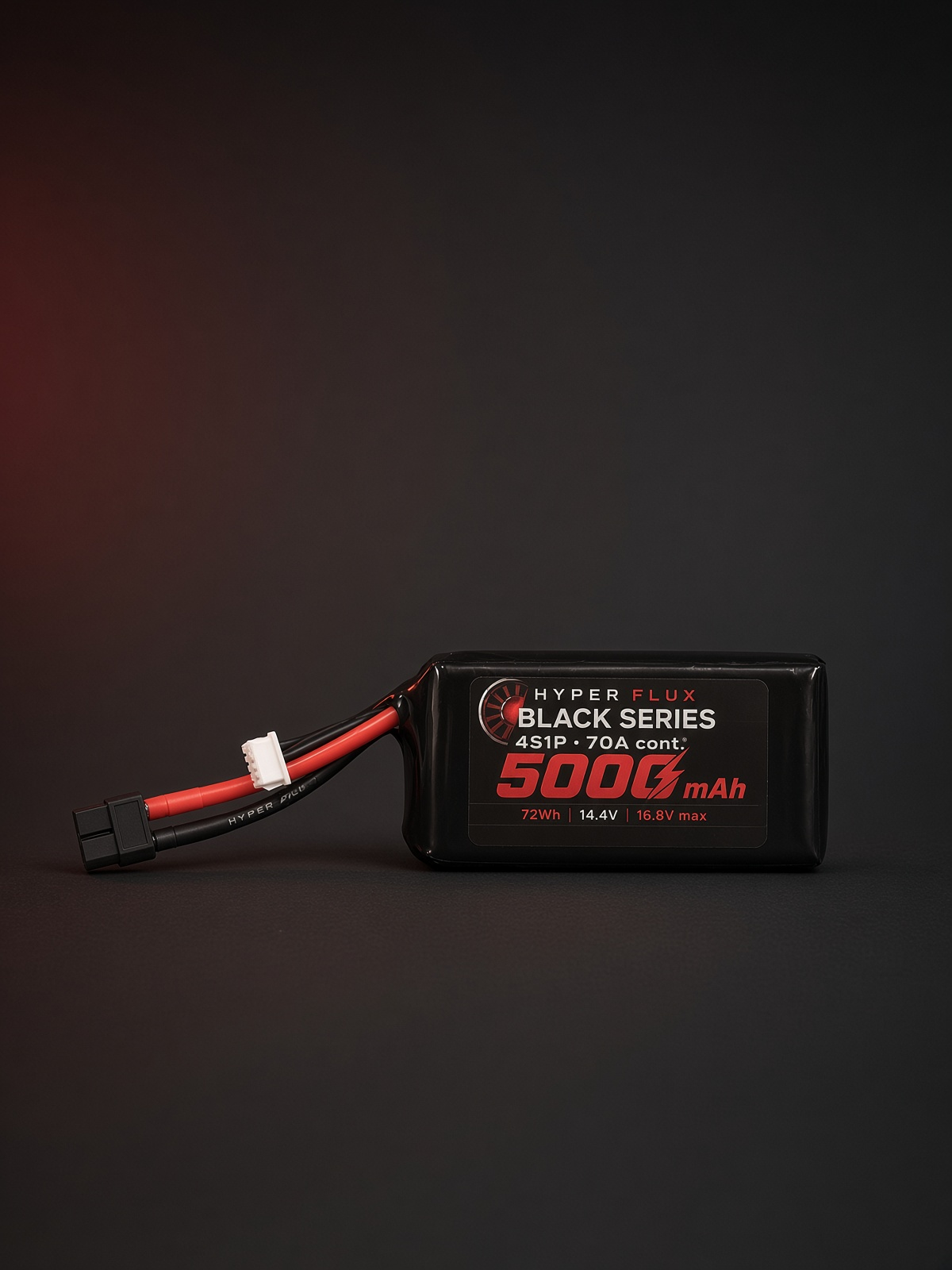
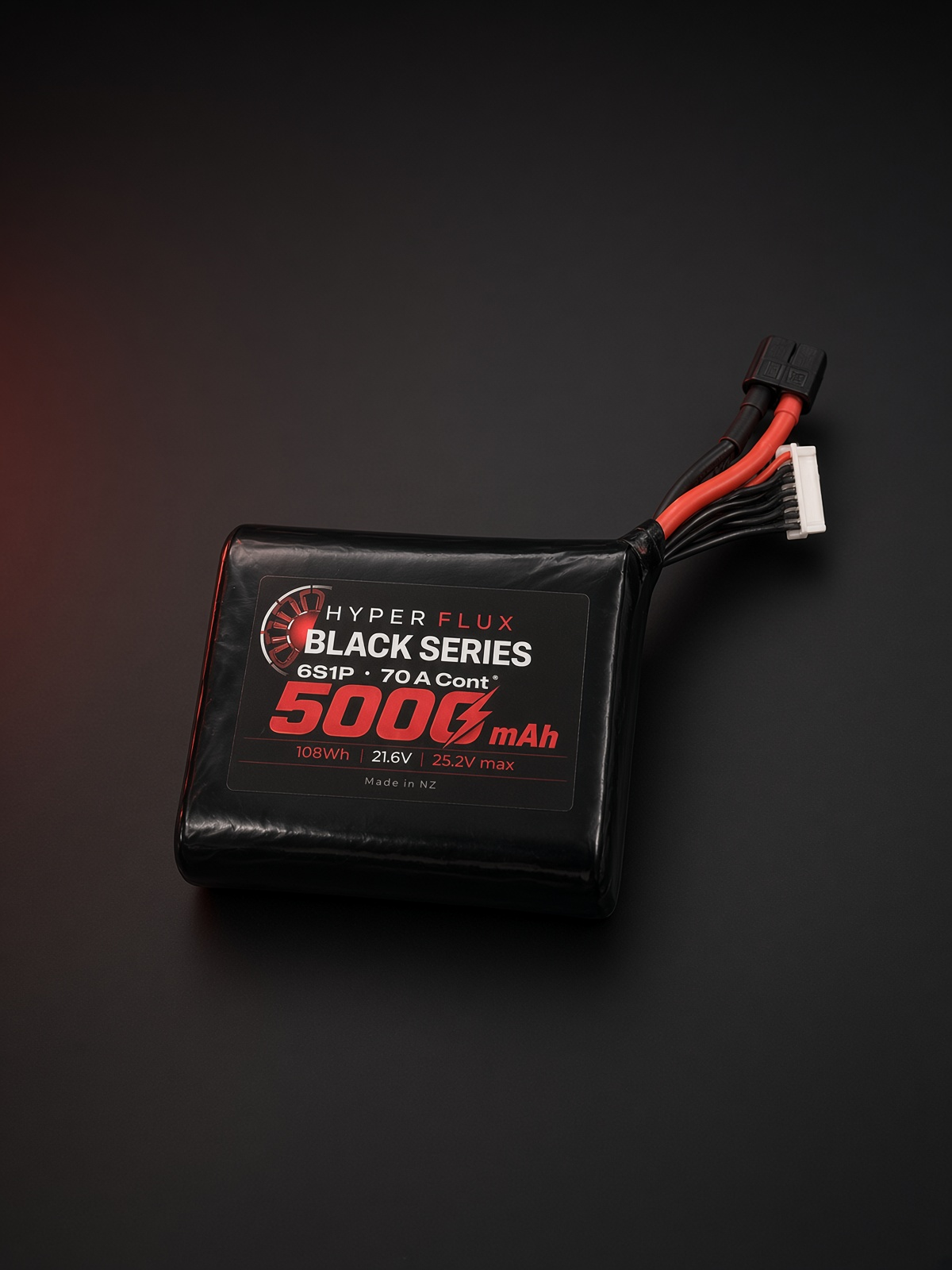
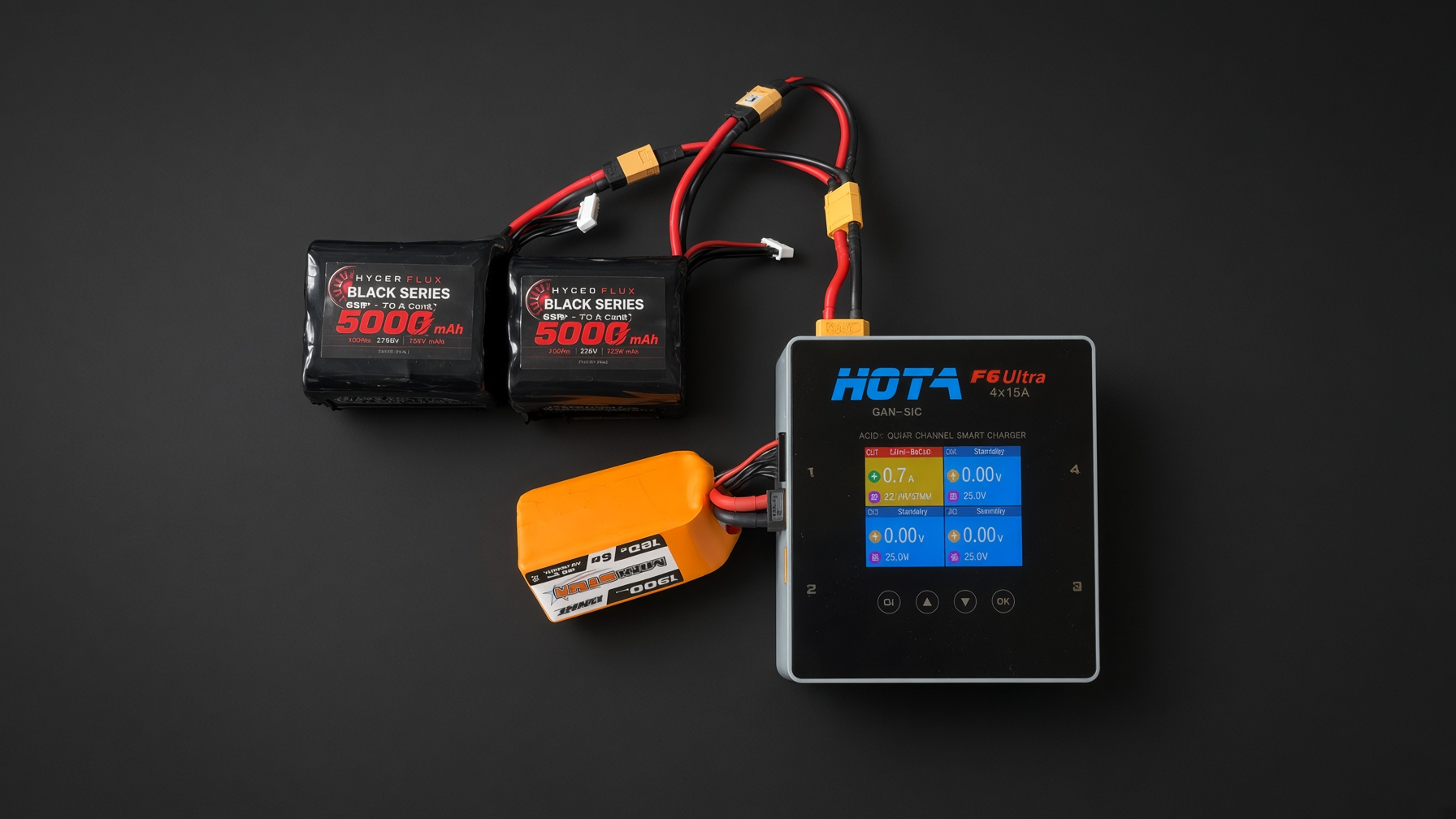
Hyperflux builds Li-Ion FPV battery packs in New Zealand from genuine Reliance RS50 21700 cells. The 4S 5000mAh pack is 72Wh at about 300g; the 6S 5000mAh pack is 108Wh at about 445g. 70A continuous, datasheet ratings, bench-tested before dispatch.

Black Series

Fly 2–3× longer on a single pack. The 4S Black Series is 72Wh at about 300g; the 6S is 108Wh at about 445g. Both are roughly 40% lighter than equivalent-capacity LiPos, with 70A continuous discharge.

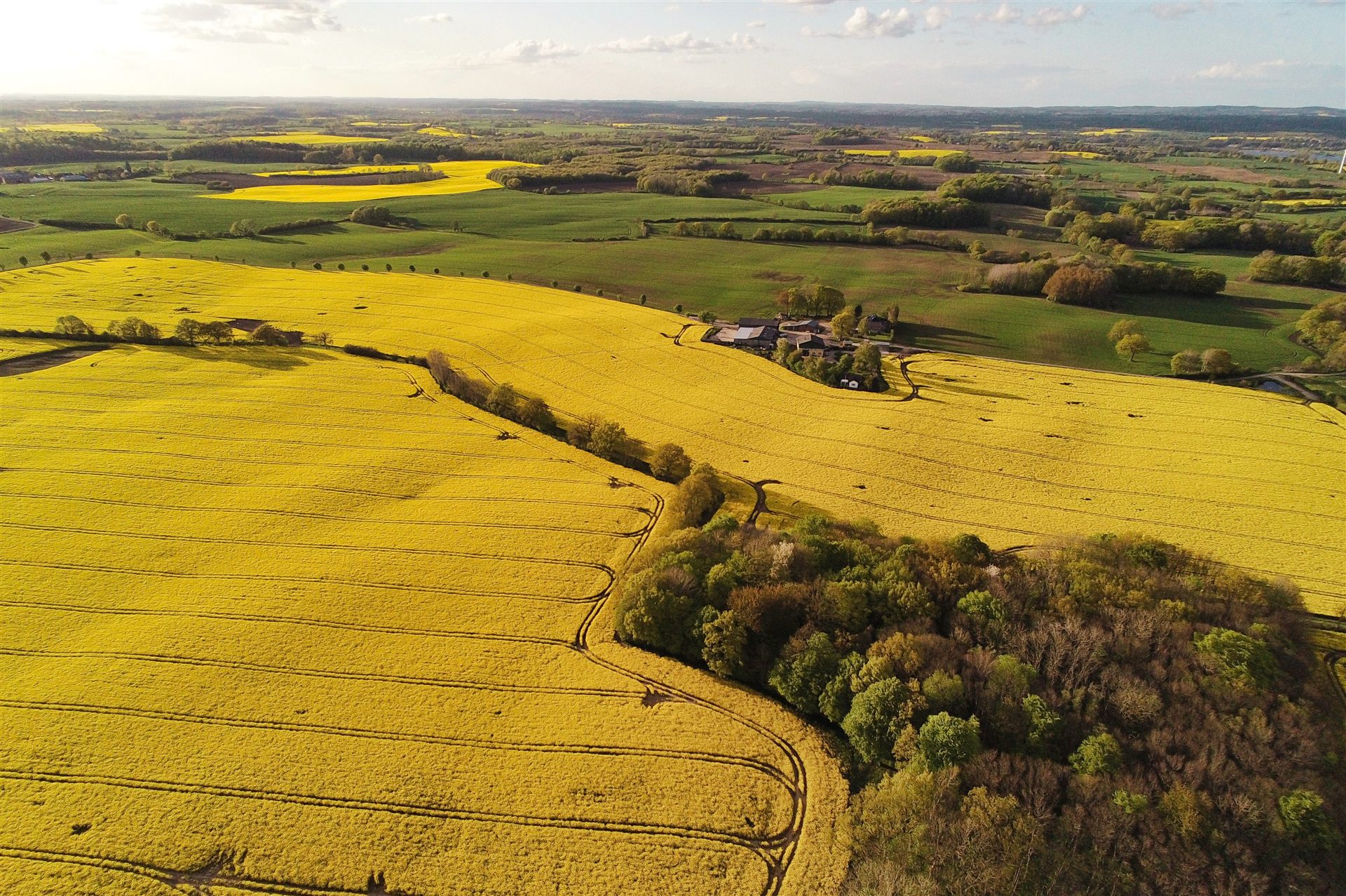
Aerial drone shot over an open road

More
Energy
Per Gram.

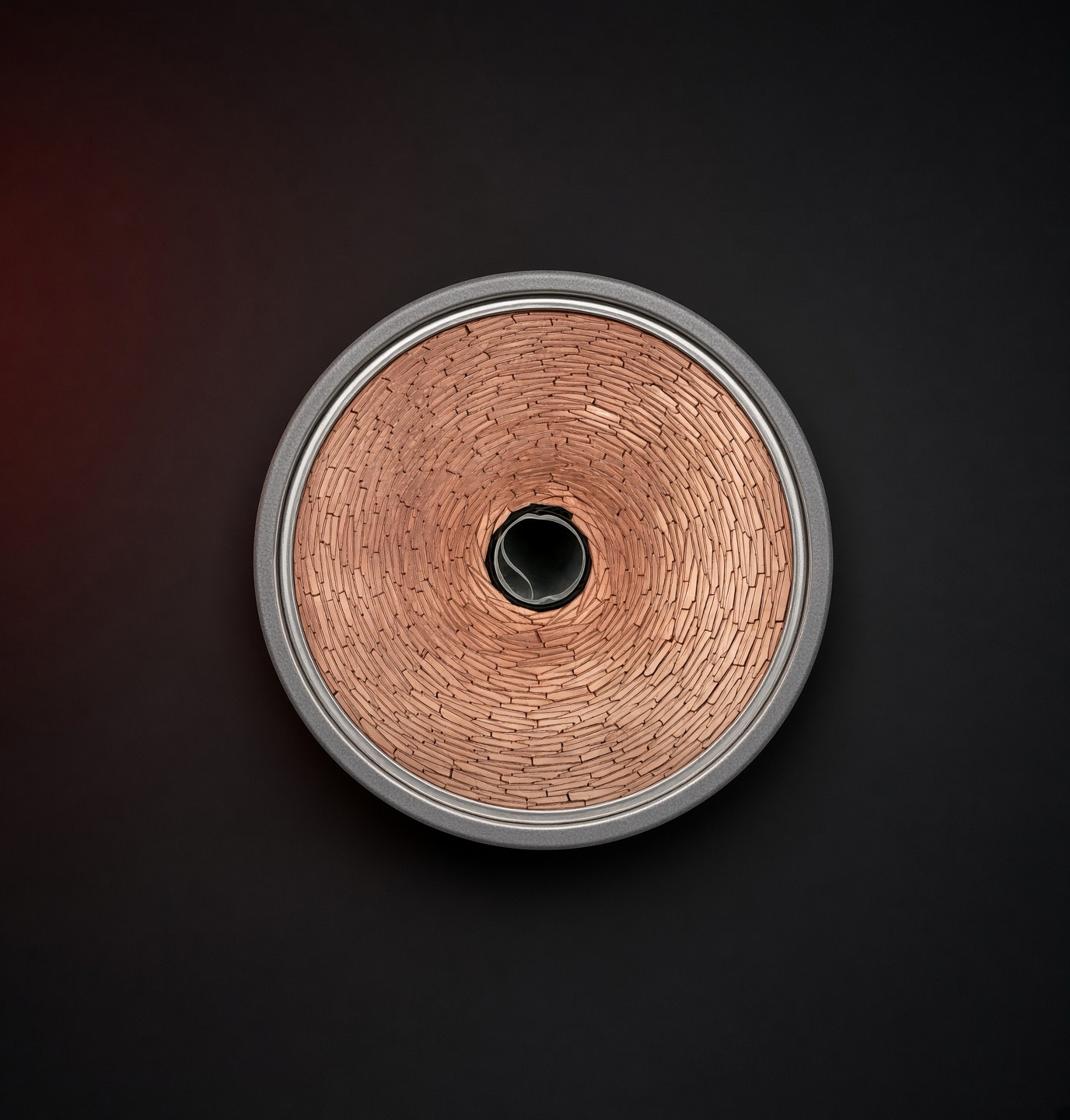
Every Hyperflux pack is built from hand-matched tabless 21700 cells with low internal resistance, then bench-tested before it ships. Voltage sag at cruise is lower than a typical lithium polymer pack. Lithium-ion also carries over 50% more energy per gram than LiPo, so the weight you carry buys more minutes in the air.

Black Series

The Range

Capacity

5000mAh

Continuous

70A

Burst (5s)

140A

Cycles to 80%

500

Southern Alps landscape, New Zealand

Story

Hyperflux was born at the end of a four-minute flight.

We're engineers who have been building, racing, and crashing in the New Zealand RC and FPV scene since 2016. For years, every session ended the same way: packs dead, day over, wallet lighter. LiPos that sagged after thirty cycles, and “high-capacity” imports that weighed like bricks and flew like them.

So we built the battery we actually wanted.

High-capacity lithium-ion packs with genuinely high current delivery, designed, assembled, and bench-tested right here in New Zealand by people who fly what they build.

No inflated markups. No inflated specs. Every number we publish is on the official cell datasheet, and every pack is discharge-tested before it leaves the bench.

The workshop is in Auckland. First ten-minute flight or your hundredth, the pack is the same: RS50 cells, assembled here, tested before it ships.

Charge rates, cutoff voltages, and the rest of the spec sit on each product page and in the charging guide.

Read the full Hyperflux story →

New Zealand high country, where Hyperflux is designed and built

“Tabless high-drain 21700 cells, assembled in Auckland, rated 70A continuous and 140A burst on the Reliance datasheet.”

Hyperflux Design Manifesto

How we build

◎

Matched to the sheet

Packs use high-drain lithium-ion cells. Capacity, current, and weight are the Reliance RS50 datasheet figures, then checked on the bench.

◈

Tested under load

Every pack is discharge-tested for sustained 70A, 140A burst, and thermal stability before it leaves the bench. Those are the official cell datasheet numbers.

◇

Made in New Zealand

Designed and assembled in Auckland. Tight quality control, honest specs, and packs built to last hundreds of cycles.

◉

Pilot feedback

FPV racers and robotics teams tell us what the next layout should be. That is how the range grows.

Hyperflux packs are built from tabless high-drain 21700 cells, matched and bench-tested for FPV and other high-drain loads where voltage sag and short cycle life are the usual trade.

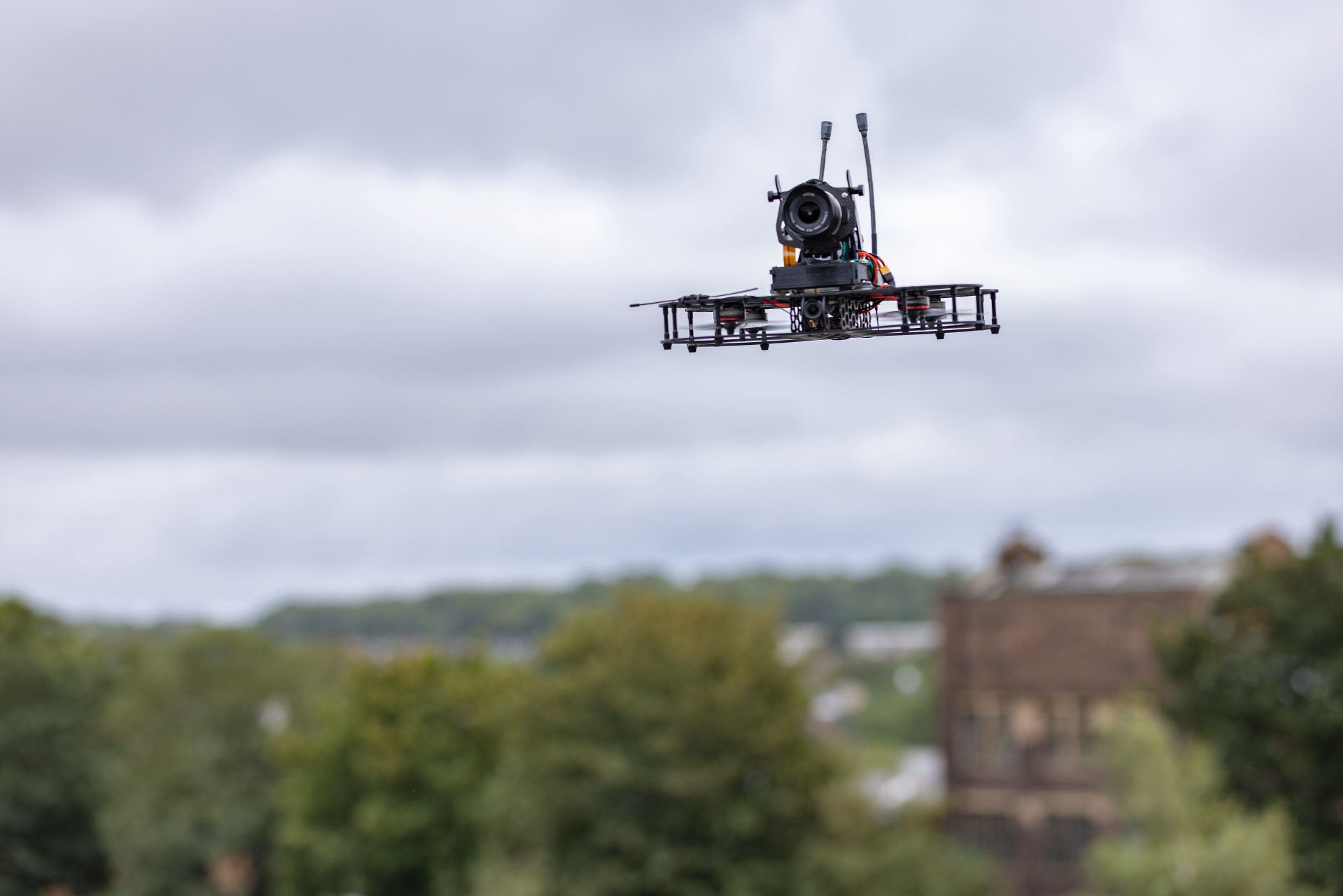
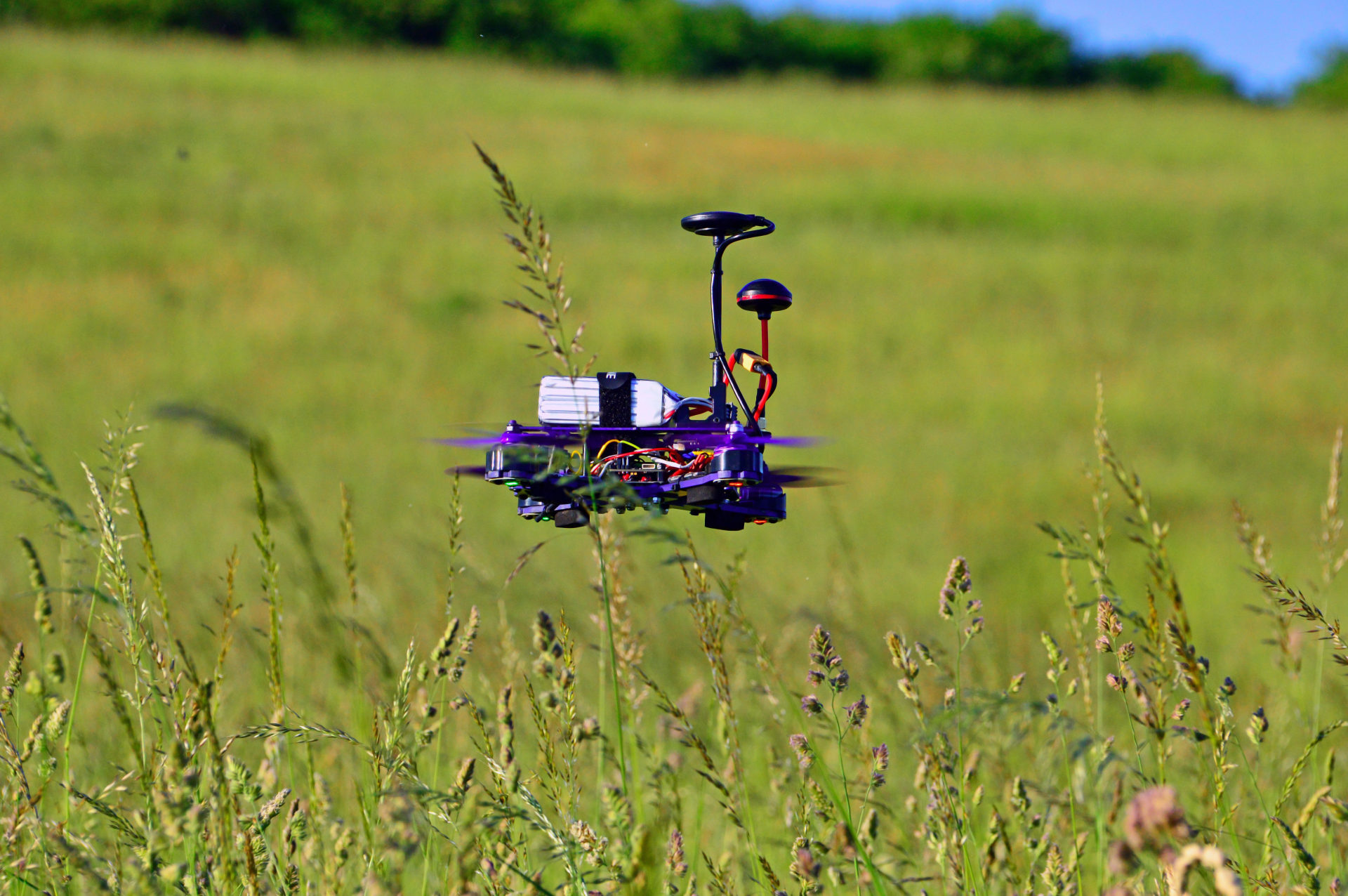
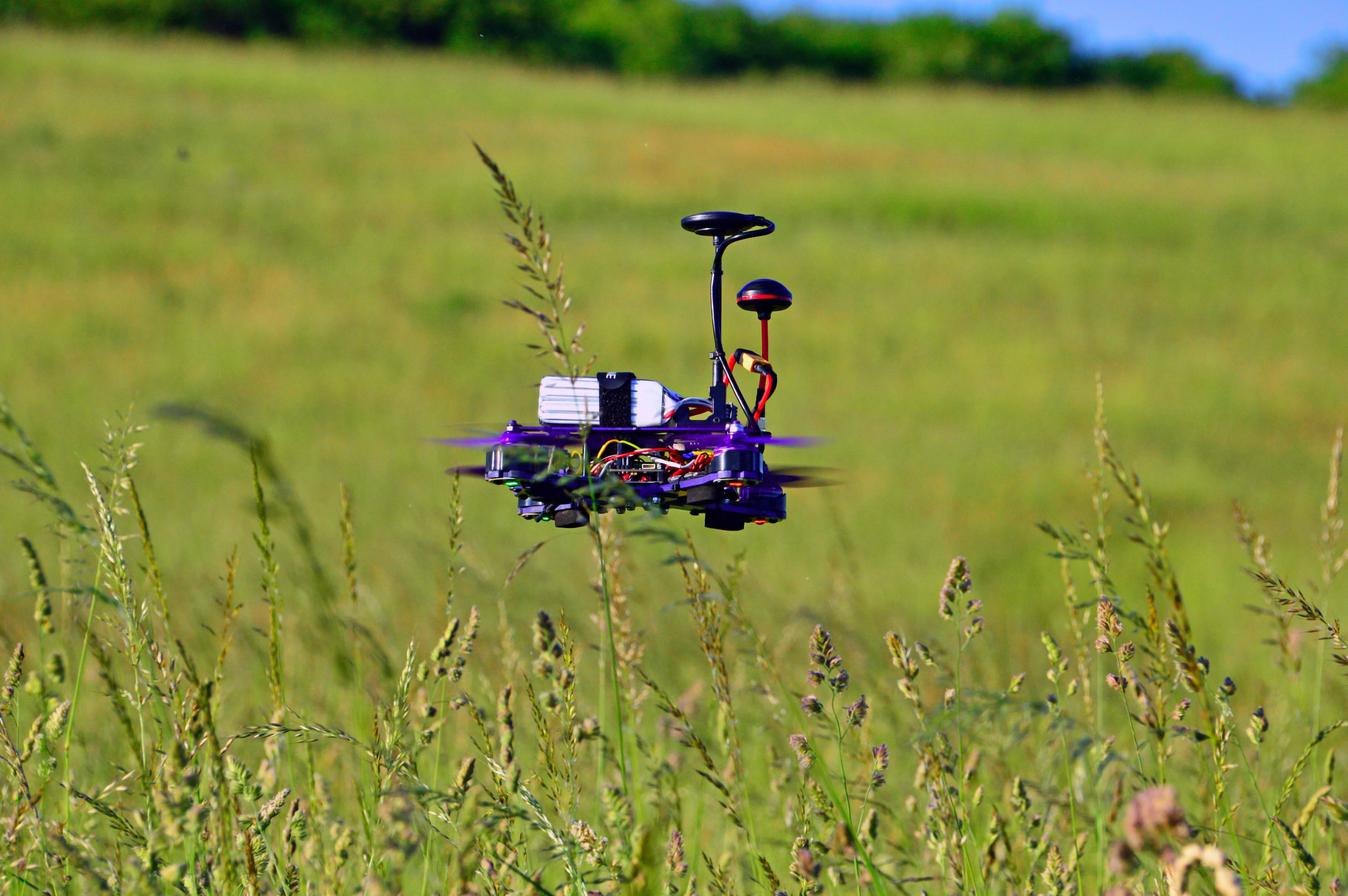
5-inch long-range FPV drone in flight